
History
Preparing, Sowing, Growing through our past
At Christ Church, History is an important part of how we help children understand the world and their place within it. Through learning about the past, pupils develop curiosity, critical thinking and respect for others—supporting our vision of Preparing, Sowing and Growing and our Christian values which guide everything we do.
Our Vision in History
Preparing
Through History, we prepare children for life in modern Britain. Pupils learn about key ideas such as democracy, the rule of law, individual liberty and mutual respect. They develop their ability to discuss, debate and explain their thinking clearly, helping them become confident, informed citizens who can contribute positively to society.
Sowing
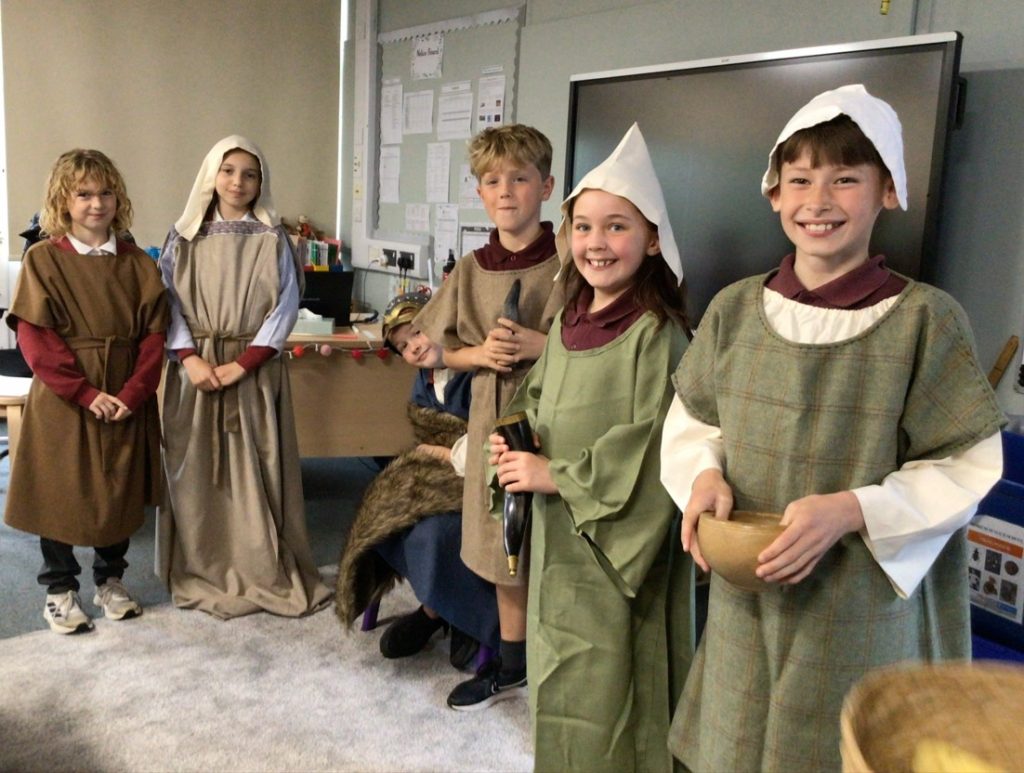
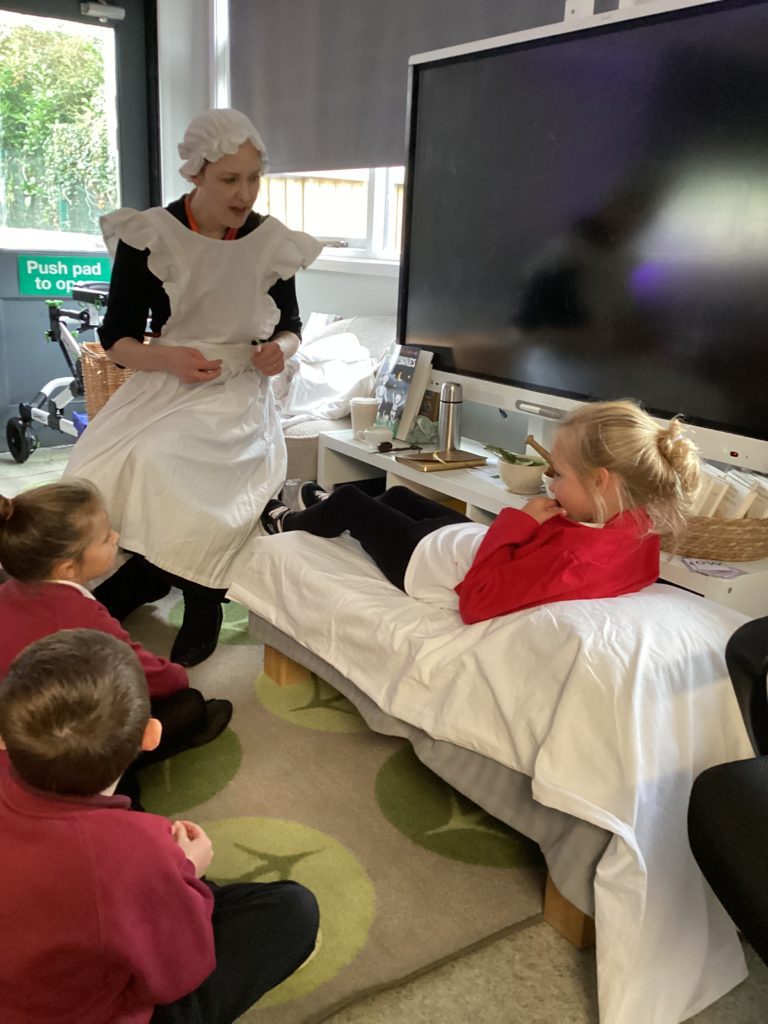
History lessons sow the seeds of curiosity and compassion. By exploring the lives of people from different times and cultures, children learn to appreciate diversity and develop empathy. These experiences nurture our Christian values such as Compassion, Friendship and Respect, helping children to understand others and build positive relationships.
Growing
As children progress, they grow into thoughtful, independent learners. History encourages them to question, investigate and reflect. They learn to weigh evidence carefully, show perseverance when learning is challenging, and develop the courage to express and justify their ideas—living out values such as Courage, Responsibility and Truthfulness.
Why we teach History
We teach History so that children can:
- Understand how the world has changed over time
- Make sense of how the past influences life today
- Develop skills of enquiry, questioning and reasoning
- Respect different perspectives and cultures
This supports our vision of preparing pupils for the future while nurturing a lifelong love of learning.
What children learn
Our History curriculum is carefully planned so that knowledge and skills build year by year.
- In Key Stage 1, children learn about important people, events and places. They begin to use simple historical language, ask questions and order events in time.
- In Key Stage 2, pupils develop a deeper understanding of British and world history. They explore ideas such as cause and consequence, continuity and change, and significance. They also learn how to evaluate different sources and explain their thinking clearly using evidence.
By the time they leave Christ Church, pupils are confident historians who can think critically, ask questions and communicate their understanding effectively.
How we teach History
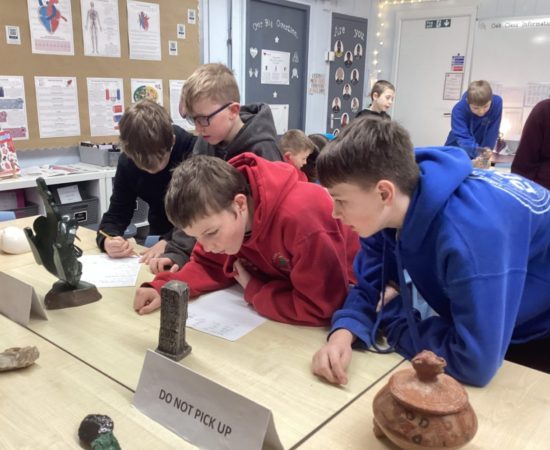
Our lessons are enquiry-led, meaning children learn through exploring key questions such as*“Why did this happen?”* or*“How do we know?”*
This approach:
- Builds strong knowledge of people, places and events
- Develops an understanding of how history is studied
- Encourages children to investigate, interpret evidence and form their own ideas
Learning is carefully sequenced so that children revisit and deepen their understanding over time, helping knowledge to ‘take root and grow’, just like the mustard seed in our vision.
Preparing children for the future
Our aim is that every child leaves Christ Church:
- With a secure understanding of the past
- With the confidence to question and think critically
- With respect for different viewpoints
- Ready for the next stage of their education and life beyond school
Through History, we nurture children who are curious, compassionate and courageous, prepared to play their part in the world and contribute to the common good.